Economy
09:09 AM | 18 May 2026
“The campaign continues”... Closing 15 dairy and cheese factories in the Bekaa
Fady Mahouly
The Ministries of Agriculture and Industry indicated in a statement that, “Within the framework of ongoing national efforts to protect the health of the Lebanese consumer, preserve the livestock sector, and support healthy food production, they continue to implement a strict oversight campaign on dairy, cheese, and milk product manufacturing plants in various Lebanese regions, especially in the Bekaa region, in coordination with the competent security and judicial agencies.”
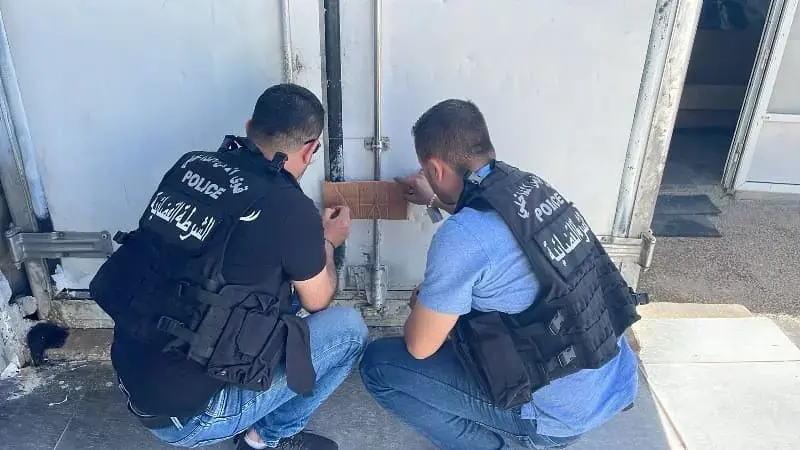
The statement pointed out that, “Based on the work of the joint committee between the two ministries, the specialized technical teams, with the support of elements from the Financial Crimes Bureau and State Security, carried out a series of raids and field inspections targeting factories that manufacture and market products that are presented to the consumer as natural milk derivatives, such as cheese, labneh, and mozzarella, while some of them are manufactured using vegetable oils and alternative materials in violation of the approved specifications and standards.”
He revealed that "the campaign resulted in the closure of three additional factories in the Taanayel area, which, according to a factory director, were manufacturing products for Lebanese companies distributed in a number of cooperatives and commercial markets in Lebanon, especially in Beirut. Field inspections also showed that the aforementioned factories did not meet the minimum required health and technical conditions, bringing the number of closed factories to date to 15 factories in the Bekaa, in addition to two warehouses in Beirut."
He stressed that "this campaign is continuing and will not stop, and will include various Lebanese territories without any exception," calling on "citizens to be cautious and not to buy or consume any products of unknown origin or that do not conform to specifications, especially those manufactured in unlicensed laboratories and outside the framework of official control, because of the serious risks they may pose to public health and food safety."